Why Hotmelt Adhesive for Brewery Labeling Matters More Than Ever in Modern Beverage Packaging
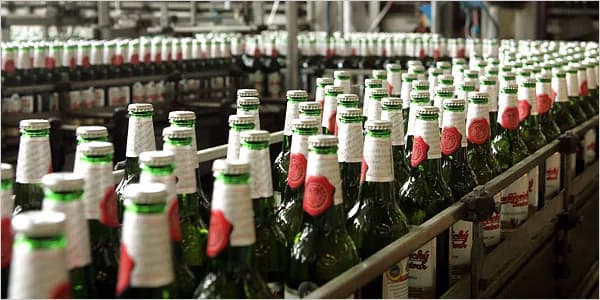
Beer packaging has changed sharply in recent years. Breweries now face tighter production targets, stricter quality checks, stronger retail competition, and rising pressure to improve recyclability. Labels are no longer a minor finishing touch. They shape shelf appeal, machine efficiency, brand clarity, and even how easily a bottle moves through reuse or recycling systems. That is why hotmelt adhesive for brewery labeling has become a serious operational topic rather than a narrow technical detail. Hot melt systems are prized for fast setting, clean running, and reliable bonding across demanding line speeds.
For breweries that package beer in glass, PET, or mixed formats, adhesive choice directly affects downtime, label placement, product appearance, and cost per thousand bottles. A weak or poorly matched system can lead to flagging labels, residue, stringing, machine contamination, or waste that quietly erodes profit. A well-matched system does the opposite. It supports smooth application, crisp presentation, and repeatable output even when condensation, cold fill, and fast line movement create pressure on every part of the process.
The case for hotmelt adhesive for brewery labeling is even stronger now because packaging policy and buyer expectations are moving towards circularity. This article explains how hot melt works, where it fits best, what breweries should check before switching, and how the right adhesive strategy can protect both performance and brand value.
What is hotmelt adhesive for brewery labeling?
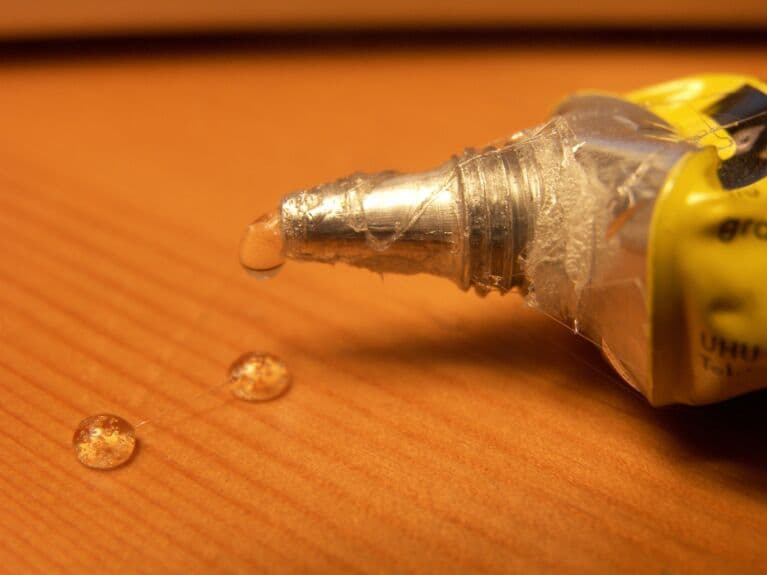
At its core, hotmelt adhesive for brewery labeling is a thermoplastic adhesive supplied in solid form and activated by heat. Once melted, it is applied to the label or bottle surface, then rapidly cools and builds bond strength. Unlike solvent-based systems, hot melt formulations are generally 100 percent solid, with no water to evaporate during bonding. That feature helps explain their speed, efficiency, and popularity in packaging lines that need fast, repeatable performance.
For breweries, that quick set is valuable. Bottles move fast. Labels must land accurately, grip cleanly, and stay in place through filling, packing, transport, chilling, retail display, and consumer handling. A suitable hotmelt adhesive for brewery labeling can support those demands while also helping reduce adhesive usage when compared with less efficient systems.
Why breweries cannot treat adhesive as an afterthought
Many packaging issues that seem mechanical are actually adhesive-related. A label that creeps, wrinkles, lifts at the edge, or leaves messy residue can damage the entire look of a finished bottle. That matters in beer because packaging is often the first point of customer contact. Premium craft brands, regional breweries, and large beverage groups all depend on consistent shelf presence.
That is why hotmelt adhesive for brewery labeling deserves boardroom attention as well as line-level attention. It influences throughput, rejects, rework, hygiene, and brand trust. For high-speed operations, even small inefficiencies become expensive over time. Clean-running hot melt systems can reduce maintenance interruptions and improve dosing consistency.
How hot melt works on a brewery labelling line
A labelling system using hotmelt adhesive for brewery labeling typically heats the adhesive inside a tank or melter until it reaches the specified application range. The molten adhesive is then transferred through hoses and applied by roller, nozzle, or swirl pattern depending on the machine design and the label format. The label is pressed into place, the adhesive wets the substrate, and the bond develops quickly as the material cools.
This fast cooling behaviour is a major reason breweries favour hot melt for demanding production settings. The line does not have to wait for moisture to evaporate. The bond forms rapidly, which supports higher machine speeds and good label register. Performance still depends on control. Temperature drift, char build-up, contamination, and inconsistent viscosity can all weaken output quality.
Key benefits for brewery packaging teams
The strongest argument for hotmelt adhesive for brewery labeling is that it combines speed with dependable bonding.
Benefits breweries value most:
- ✓Fast set times that suit high-speed production
- ✓Good adhesion on non-porous packaging surfaces
- ✓Reduced mess when properly controlled
- ✓Potential adhesive savings through efficient dosing
- ✓Strong visual results with clean label laydown
- ✓Operational consistency across long production runs
Each benefit reinforces the others. Better line stability means fewer rejected bottles. Better appearance means better retail presentation. Better adhesive efficiency means tighter cost control.
Glass bottles, PET bottles, and material compatibility
Not every bottle behaves the same way. Glass remains important in beer, especially where tradition, premium positioning, or returnable systems still matter. A brewery selecting hotmelt adhesive for brewery labeling must assess substrate compatibility with care. Glass, PET, and metal each have different surface energies and service conditions. Label paper, film, coating, and bottle curvature also matter.
Some hot melt products are formulated to handle magazine-fed or roll-fed labels across several container types. That flexibility is attractive for breweries running multiple SKUs or seasonal changes. Still, no adhesive should be chosen on a generic promise alone. Real compatibility testing on actual bottles and labels is essential.
Cold, wet, and condensed conditions in breweries
Brewery environments are rarely gentle. Bottles may be cold-filled, moved through chilled zones, or exposed to condensation before packing. These conditions test every element of the label bond. This is where hotmelt adhesive for brewery labeling needs careful evaluation. Some breweries focus on sheer speed. Others care more about resistance to ice water, condensation, or transport stress.
If the adhesive cannot grip well in the real service environment, line speed alone means very little. Strong suppliers and technical teams therefore test labels under realistic cold-room, wet-surface, and handling conditions before final selection.
Returnable bottles and wash-off performance
One of the most important questions in beer packaging is whether the bottle is one-way or returnable. Returnable systems place special demands on labels and adhesives. The label must stay secure through distribution and retail, yet release cleanly during bottle washing and reuse. Adhesives that grip too aggressively may resist removal. Adhesives with weak wash-off properties can create residue, foam issues, or process inefficiencies in the caustic bath.
Breweries using hotmelt adhesive for brewery labeling in returnable contexts must therefore check wash-off data, temperature response, and residue performance rather than focusing only on initial tack.
Sustainability is now a packaging requirement, not a slogan
Packaging teams cannot ignore regulation and public scrutiny. The European Commission says packaging policy aims to make all packaging recyclable in an economically viable way by 2030. That means breweries must look beyond immediate line output and ask how every packaging component behaves at end of life.
♻️ Recyclable Design
Labels and adhesives must support clean material recovery. Wash-off grades allow glass and PET to be recycled without adhesive contamination.
🌿 Circular Goals
Glass can be recycled repeatedly without losing quality, making adhesive choice part of the circular system.
📋 Regulatory Alignment
EU packaging policy is pushing the whole sector towards recyclable design by 2030. Adhesive selection now carries a compliance dimension.
🌱 Reduced Virgin Material
Adhesive systems that support reuse and recovery contribute directly to reducing dependence on virgin materials.
Common mistakes breweries make when choosing adhesive
Choosing by price per kilogram
Problem: A cheaper product may need heavier application, create more stringing, increase downtime, or raise reject rates.
Solution: Evaluate total cost in use, not purchase price alone.
Selecting from a brochure, not a trial
Problem: Generic promises do not reflect real line, bottle, and label performance.
Solution: Run structured trials on your actual production setup before committing.
Ignoring maintenance discipline
Problem: Even a strong hotmelt adhesive underperforms if the melter is poorly cleaned or application temperature is unstable.
Solution: Build regular cleaning and temperature checks into the production routine.
Overlooking future packaging needs
Problem: An adhesive that works today may fail when the brewery moves to returnable formats or stricter recyclability goals.
Solution: Choose an adhesive that fits both current output and the next stage of packaging development.
What to test before switching to a new hot melt system
Any switch in hotmelt adhesive for brewery labeling should be tested with discipline. Breweries need structured line trials that replicate real machine speeds, ambient temperatures, bottle temperatures, storage conditions, and distribution stress.
| Test Area | What to Check | Why It Matters |
|---|---|---|
| Initial tack | Fast bond after application | Prevents label slip on high-speed lines |
| Cold performance | Adhesion after chilling or condensation | Important for brewery conditions |
| Wash-off | Residue and removal in reuse systems | Vital for returnable bottles |
| Viscosity stability | Consistent flow during long runs | Reduces dosing variation |
| Aesthetics | Wrinkle, lift, and edge quality | Protects shelf appeal |
| Consumption | Grams per thousand bottles | Measures real cost efficiency |
How adhesive quality affects branding and sales perception
People rarely mention adhesive when they talk about beer branding. Yet they notice the result immediately. A bottle with an even, well-positioned label looks premium, hygienic, and trustworthy. A bottle with creased paper, lifted corners, or visible adhesive smears looks careless. In crowded fridges and retail shelves, that visual cue can tilt buyer choice within seconds.
That is why hotmelt adhesive for brewery labeling contributes to sales perception as much as to technical efficiency. The label is the face of the bottle. It carries style, legal text, barcode readability, and promotional detail. Poor bond quality can distort all of that.
Cost efficiency and operational savings over time
The best adhesive decision is rarely the cheapest on paper. Total value comes from fewer stoppages, lower waste, neat application, reduced maintenance burden, and better label accuracy.
- ✓Less over-application means lower material usage
- ✓Cleaner running means fewer line interruptions
- ✓Better label retention means fewer rejects and returns
- ✓Reduced maintenance burden lowers operational cost
- ✓Premium formulation savings outweigh higher purchase price over time
Best practice checklist for breweries
A brewery does not need the most exotic formulation. It needs the right fit. Use this checklist when reviewing hotmelt adhesive for brewery labeling:
Match the adhesive to the exact bottle and label substrate.
Confirm the correct application temperature range.
Test on real production speeds, not only bench samples.
Check performance under condensation and cold storage.
Review wash-off requirements for returnable glass.
Measure actual consumption, not theoretical consumption.
Monitor cleanliness, stringing, and char formation.
Consider recycling and future packaging policy needs.
Validate barcode and visual presentation after labelling.
Train operators to maintain stable process conditions.
Why supplier support matters as much as the product
Adhesive performance depends on more than chemistry. A skilled supplier can help the brewery fine-tune temperature settings, dosage, nozzle choice, maintenance routines, and line troubleshooting. That support is especially important when the brewery runs multiple formats, exports to different markets, or plans a packaging change in the near future.
The best hotmelt adhesive for brewery labeling projects are collaborative. Packaging, procurement, quality, and operations need to work with adhesive specialists rather than buying on a simple rate card. When the supplier brings technical depth and site-level support, problems are solved earlier and process stability improves faster.
Frequently Asked Questions
1. Is hot melt always better than water-based adhesive for breweries?
Not always. The best option depends on bottle type, label stock, machine speed, and whether the bottle is returnable. Hot melt offers fast setting and strong high-speed performance, while water-based systems remain important in some returnable glass applications.
2. Can hot melt work on both glass and PET bottles?
Yes, many formulations are designed for multiple container types, including glass and PET. Even so, breweries should still run trials with their own labels, bottles, and operating conditions before approval.
3. Does hot melt support sustainability goals?
It can, especially when paired with packaging designs that support clean recycling or wash-off performance where reuse is required. Current EU packaging policy is pushing all packaging towards recyclability by 2030.
4. What causes labels to lift or wrinkle on beer bottles?
Common causes include poor adhesive-substrate match, unstable temperature, incorrect application weight, condensation, dirty equipment, and inadequate line trials. The problem is rarely random. It is usually process-related.
5. How often should a brewery review its adhesive choice?
At minimum, review it whenever you change bottle type, label material, line speed, export requirements, reuse systems, or sustainability targets. Adhesive should evolve with the packaging strategy, not lag behind it.
Final Words
Choosing hotmelt adhesive for brewery labeling is not a small technical decision tucked away in the maintenance room. It is a packaging decision with broad consequences. It affects label appearance, line efficiency, cost control, waste reduction, and the ability of the bottle to perform well in modern recycling or reuse systems. In a beer market where presentation matters and margins are under pressure, details that once seemed minor now carry real commercial weight.
The shift in packaging rules across Europe, the rise of clearer recycling expectations, and the continued pressure for cleaner production make that mindset even more important today. Define the packaging objective clearly. Test the adhesive under real brewery conditions. Review cold performance, wash-off behaviour, machine cleanliness, and total cost in use. Work with a supplier that can support the line, not just ship the product.
When those pieces come together, hotmelt adhesive for brewery labeling becomes more than a bonding medium. It becomes a quiet driver of speed, consistency, sustainability, and shelf-ready excellence. The right adhesive does not demand attention. It earns trust by doing its job flawlessly, bottle after bottle, shift after shift, season after season.
Need Expert Guidance on Hotmelt Adhesive for Brewery Labeling?
Our team specializes in high-performance hotmelt adhesive solutions for breweries across Thailand and Southeast Asia.