Labeling Adhesive for Breweries: The Complete Guide to Performance, Compliance, and Brand Excellence
Craft beer has evolved into a global movement. Independent breweries now compete not only on flavour but on shelf appeal, compliance, and packaging durability. A bottle or can may carry exceptional beer, yet if the label peels, wrinkles, or fades, the product immediately loses credibility. That is why selecting the right labeling adhesive for breweries is no longer a minor operational decision. It is a strategic investment.
Moisture, refrigeration, condensation, and pasteurisation create demanding environments. A weak adhesive fails under pressure. A high-performance labeling adhesive for breweries secures labels firmly to glass and aluminium, preserves print quality, and maintains brand integrity throughout the supply chain. From filling line to retail shelf, adhesive strength directly influences customer perception.
This article explains how to choose the most suitable labeling adhesive for breweries. You will learn about adhesive types, compliance standards, sustainability trends, application methods, and performance testing. If you want durable labels that reflect premium quality, this guide will help you make informed and profitable decisions.
Why Labeling Adhesive Matters in the Brewing Industry
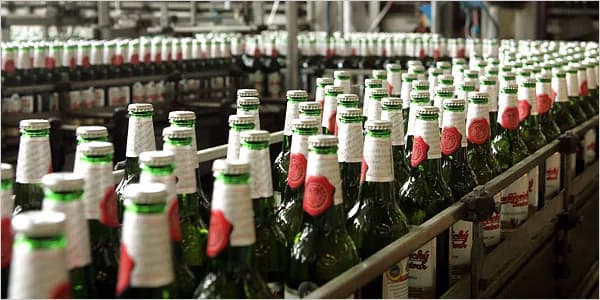
Beer packaging operates in challenging conditions. Bottles move quickly along production lines. They enter ice baths, refrigeration units, and sometimes pasteurisation tunnels. Condensation forms repeatedly. Without reliable labeling adhesive for breweries, labels detach or form bubbles.
A strong adhesive delivers:
- ✓Resistance to moisture and condensation
- ✓Stability in cold storage
- ✓Adhesion on curved glass and aluminium cans
- ✓Compatibility with automated labeling machines
- ✓Compliance with food safety regulations
Consumers judge products visually within seconds. A crooked or peeling label signals poor quality. In contrast, a secure label communicates professionalism and trust. In Thai markets, presentation plays a vital role. ผู้บริโภคให้ความสำคัญกับภาพลักษณ์ของสินค้าอย่างมาก which means consumers value packaging aesthetics deeply.
A dependable labeling adhesive for breweries protects branding investment. It prevents costly recalls and rework. It also ensures that barcode scanning remains accurate at retail points.
Types of Labeling Adhesive for Breweries
Acrylic Adhesives
Pressure-sensitive options dominate modern craft packaging. These adhesives bond instantly with light pressure. They eliminate the need for heat or water activation.
Most pressure-sensitive labeling adhesive for breweries uses acrylic chemistry. Acrylic offers superior UV and temperature resistance, making it ideal for refrigerated storage.
Water-Based Synthetic Adhesives
Water-based adhesives are common for returnable glass bottles. Breweries often select them for cost efficiency and ease of removal during bottle washing cycles.
However, moisture resistance can vary. Premium formulations are necessary when selecting labeling adhesive for breweries operating in humid climates.
Hot Melt Adhesives
Hot melt adhesives are applied in molten form. They cool quickly and create strong bonds.
For breweries distributing nationally or internationally, hot melt labeling adhesive for breweries ensures labels remain intact across temperature fluctuations.
Key Performance Factors to Evaluate
Selecting labeling adhesive for breweries requires technical evaluation. Consider these performance parameters:
Moisture Resistance
Beer packaging experiences constant condensation. Adhesive must resist water infiltration. Acrylic-based adhesives often outperform others in wet environments.
Cold Temperature Stability
Refrigeration temperatures can drop below 4°C. Adhesives must remain flexible and maintain bonding strength. Brittle adhesives crack under cold stress.
Adhesion to Glass and Aluminium
Glass is non-porous and smooth. Aluminium cans may feature coatings. Adhesive chemistry must match substrate characteristics.
Application Speed
High-speed filling lines demand consistent bonding. Label slippage reduces efficiency and increases waste.
Food Safety Compliance
European regulations such as EC No 1935/2004 govern materials in contact with food packaging. Although adhesive does not directly contact beer, compliance is essential.
Regulatory Compliance and Industry Standards
Breweries must comply with strict packaging standards. Adhesives must not migrate harmful substances. Certifications often include:
- ✓FDA compliance for indirect food contact
- ✓EU Framework Regulation 1935/2004
- ✓REACH compliance
- ✓Low VOC formulation
Sustainability reporting is becoming mandatory in many markets. Choosing a labeling adhesive for breweries with documented environmental credentials strengthens brand reputation. Thailand and Southeast Asia increasingly follow global safety frameworks. มาตรฐานความปลอดภัยด้านอาหารมีความสำคัญอย่างยิ่ง which means food safety standards are highly significant.
Before purchasing, request technical data sheets and compliance certificates. Transparent documentation protects your business.
Sustainability Trends in Labeling Adhesive for Breweries
Sustainability influences modern brewing. Consumers prefer eco-conscious packaging. Adhesive technology now supports greener operations.
♻️ Recyclable Solutions
Certain adhesives wash off cleanly during recycling. This improves glass reuse rates and aluminium recovery efficiency.
🌱 Bio-Based Adhesives
Manufacturers are developing plant-derived polymers. These reduce dependence on petroleum-based materials.
⚡ Low Energy Application
Efficient labeling adhesive for breweries can reduce energy consumption. Lower curing temperatures and faster bonding save operational costs.
🎯 Reduced Waste
High-performance adhesives minimise label failure. Less waste equals improved sustainability metrics.
Common Labeling Challenges and Solutions
Peeling Labels
Cause: Inadequate surface preparation or low-tack adhesive.
Solution: Upgrade to moisture-resistant labeling adhesive for breweries and ensure bottle surfaces are clean.
Bubbling
Cause: Air entrapment during application.
Solution: Adjust machine pressure and use adhesives with optimal flow properties.
Adhesive Bleed
Cause: Excess adhesive migration beyond label edges.
Solution: Choose balanced viscosity formulations.
Label Slippage
Cause: High-speed line misalignment.
Solution: Select adhesive with strong initial tack.
Breweries in tropical climates face additional humidity issues. อุณหภูมิและความชื้นสูงส่งผลต่อคุณภาพของกาว meaning high temperature and humidity affect adhesive quality. Proper adhesive selection reduces operational disruptions.
Application Methods and Equipment Compatibility
Labeling adhesive for breweries must integrate seamlessly with automated systems.
Roll-Fed Labeling Machines
Common in medium to large breweries. Adhesive must support rapid throughput.
Sleeve Labeling Systems
Though sleeves often use heat shrink, certain hybrid systems require compatible adhesives.
Hand Application
Small craft breweries sometimes label manually. Adhesive should allow repositioning without losing strength.
Consistency in adhesive viscosity ensures uniform coverage. Always conduct pilot trials before full-scale production.
Cost Considerations and ROI
Price per litre is only one factor. Evaluate total cost of ownership:
- ✓Reduced rework
- ✓Fewer rejected batches
- ✓Improved shelf appeal
- ✓Lower waste disposal costs
- ✓Brand reputation protection
A premium labeling adhesive for breweries may cost more upfront but reduces long-term losses. Poor adhesion leads to customer complaints and retailer penalties. Investing in reliable adhesive technology delivers measurable return on investment.
Comparison Table: Adhesive Types for Breweries
| Adhesive Type | Moisture Resistance | Cold Stability | Suitable For | Sustainability |
|---|---|---|---|---|
| Pressure-Sensitive | Excellent | High | Craft bottles and cans | Medium to High |
| Water-Based | Moderate | Moderate | Returnable glass bottles | High |
| Hot Melt | High | High | Large-scale production lines | Medium |
| Bio-Based Acrylic | High | High | Eco-conscious craft breweries | Very High |
This table simplifies evaluation. Selecting the appropriate labeling adhesive for breweries depends on production scale and distribution environment.
Step-by-Step Selection Process
Analyse your bottle or can material.
Review storage temperature conditions.
Identify distribution climate zones.
Request adhesive technical data sheets.
Conduct laboratory adhesion tests.
Run pilot production trials.
Evaluate sustainability credentials.
Confirm regulatory compliance.
Following this method reduces risk. Choosing labeling adhesive for breweries becomes a structured and evidence-based decision.
The Future of Labeling Adhesive for Breweries
Innovation continues rapidly. Smart adhesives with temperature indicators are emerging. Some advanced formulas improve bonding through nano-engineered polymers. Digital printing compatibility also influences adhesive formulation.
As craft breweries expand globally, packaging must withstand long-distance shipping. Adhesives must perform consistently across diverse climates. Breweries aiming for export markets such as Europe or Asia need versatile solutions.
In Thailand, the craft beer scene grows steadily. ตลาดคราฟต์เบียร์กำลังเติบโตอย่างรวดเร็ว meaning the craft beer market is growing quickly. Packaging durability becomes critical for competitiveness.
A forward-thinking labeling adhesive for breweries supports long-term brand growth.
Frequently Asked Questions
1. What is the best labeling adhesive for breweries operating in cold storage?
Pressure-sensitive acrylic adhesives often perform best in refrigerated environments due to strong cold resistance and moisture stability.
2. Can labeling adhesive for breweries affect recycling processes?
Yes. Wash-off adhesives improve glass recycling efficiency and support circular economy initiatives.
3. How often should breweries test adhesive performance?
Conduct testing annually or whenever packaging materials change. Seasonal climate shifts may also require evaluation.
4. Is hot melt adhesive suitable for craft breweries?
It can be, especially for high-volume production. Smaller breweries may prefer pressure-sensitive options for flexibility.
5. Are eco-friendly adhesives as strong as conventional types?
Modern bio-based labeling adhesive for breweries provides comparable bonding strength while supporting sustainability goals.
Final Words
Selecting the right labeling adhesive for breweries is a critical packaging decision that influences product integrity, compliance, operational efficiency, and brand perception. Every bottle or can carries not only beer but also reputation. When labels remain secure through condensation, refrigeration, transport, and retail handling, customers perceive quality before they even taste the product. That first impression often determines repeat purchases. Adhesive performance directly supports brand credibility.
Breweries operate in demanding environments. Rapid production speeds, fluctuating temperatures, and strict regulations create technical challenges. A carefully chosen labeling adhesive for breweries ensures consistent bonding on glass and aluminium surfaces. It reduces downtime, minimises waste, and protects printed artwork. Sustainable adhesive options further align with environmentally responsible brewing practices. Modern consumers value ethical production methods. Packaging choices communicate those values clearly.
Investing in advanced labeling adhesive for breweries also delivers long-term financial benefits. Lower rejection rates, improved recycling compatibility, and enhanced shelf presentation translate into measurable savings. Instead of reacting to label failures, breweries can focus on recipe innovation and market expansion. Strong adhesive technology works silently in the background, yet its impact remains visible on every shelf.
As the global craft beer industry grows, packaging standards will continue to rise. Export markets demand durability and compliance. Climate variation tests adhesive resilience. Breweries that prioritise robust labeling adhesive for breweries position themselves ahead of competitors. Reliable packaging protects brand image across continents.
Ultimately, adhesive choice is not merely a technical detail. It represents strategic thinking. It shows commitment to quality, safety, and sustainability. When labels stay firmly in place, your brand story remains intact from brewery to consumer. That reliability builds trust. And trust builds lasting success in the evolving world of brewing.
Need Expert Guidance on Brewery Labeling Adhesives?
Our team specializes in high-performance labeling adhesive solutions for breweries across Thailand and Southeast Asia.