Labeling Glue for Beer Bottles: The Complete Technical and Commercial Guide for Modern Breweries
Beer packaging speaks before the first sip. A customer lifts a bottle, studies the label, and forms an instant judgement about quality. If the label curls at the edges or shows signs of moisture damage, confidence declines immediately. That is why labeling glue for beer bottles plays a pivotal role in brewing operations. It secures brand identity, protects mandatory information, and ensures every bottle looks impeccable from production line to retail shelf.
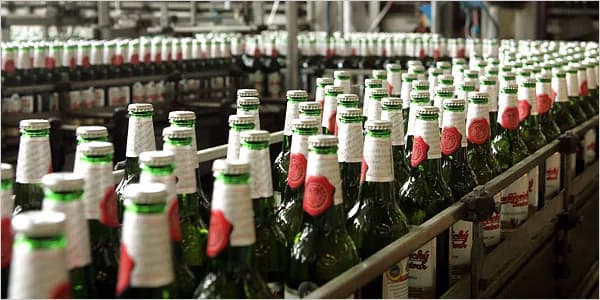
Breweries face demanding environmental conditions. Bottles pass through rinsing, filling, pasteurisation, and chilled storage. Condensation forms repeatedly. Distribution may involve temperature swings and physical vibration. Only carefully selected labeling glue for beer bottles can maintain strong adhesion under such pressure. Adhesive performance directly influences presentation, compliance, and consumer trust.
This comprehensive guide explains how to choose, evaluate, and optimise labeling glue for beer bottles. It covers adhesive types, regulatory standards, sustainability considerations, testing protocols, application methods, and cost analysis. Whether you operate a craft brewery or a large export-focused facility, selecting the right adhesive solution strengthens operational reliability and brand reputation.
The Role of Labeling Glue for Beer Bottles in Brand Protection
A beer label is both marketing asset and legal document. It carries brand colours, typography, alcohol content, ingredients, and barcode information. If labeling glue for beer bottles fails, this information becomes compromised.
Adhesive integrity ensures:
- ✓Consistent shelf presentation
- ✓Legible regulatory details
- ✓Barcode scanning accuracy
- ✓Professional visual impact
- ✓Protection against tampering
Glass surfaces are smooth and chemically inert. Adhesion depends on molecular interaction between glue and substrate. When condensation accumulates, weaker adhesives lose cohesion. In tropical regions such as Thailand, breweries face heightened humidity. ความชื้นสูงทำให้การยึดเกาะลดลง meaning high humidity reduces bonding strength.
A premium labeling glue for beer bottles preserves label placement throughout transport and refrigeration. It protects not only aesthetics but also compliance credibility. Retailers and distributors demand consistency. Adhesive reliability delivers that consistency.
Types of Labeling Glue for Beer Bottles
Adhesive selection begins with chemistry. Different formulations serve distinct operational models.
Water-Based Adhesives
Water-based labeling glue for beer bottles is widely used in returnable glass systems. It allows labels to detach during industrial washing cycles.
However, enhanced formulations are required for extended moisture exposure.
Hot Melt Adhesives
Hot melt adhesives are applied in molten form and solidify rapidly. Large breweries often prefer this type because it supports consistent output and robust adhesion.
Hot melt labeling glue for beer bottles ensures labels remain intact across temperature fluctuations during national and international distribution.
Pressure-Sensitive Adhesives
Pressure-sensitive labeling glue for beer bottles bonds instantly when pressure is applied. Craft breweries favour this option for premium packaging with intricate label designs.
This adhesive type is ideal for short-run digital printing and specialty label substrates including synthetic films.
Performance Criteria for Adhesive Selection
Selecting labeling glue for beer bottles requires technical evaluation. Focus on measurable performance indicators.
💧 Moisture Resistance
Bottles frequently move between warm and cold environments. Adhesive must resist water penetration to maintain label integrity throughout the supply chain.
❄️ Cold Flexibility
Low temperatures can cause brittleness. Advanced polymer systems maintain elasticity in chilled storage, preventing label cracking or detachment.
🔗 Shear and Peel Strength
Shear strength ensures resistance to sliding forces. Peel strength measures resistance to label lifting at edges and corners.
🎯 Viscosity Stability
Stable viscosity ensures uniform application across production runs. Inconsistent flow disrupts line efficiency and causes uneven coverage.
⚙️ Machine Compatibility
Glue must align with application equipment specifications. Incompatible adhesives cause nozzle blockages and reduce throughput.
A high-quality labeling glue for beer bottles balances these factors to ensure durability and production reliability across all operational conditions.
Regulatory Compliance and Food Safety
Breweries operate under strict regulatory frameworks. Adhesives must comply with indirect food contact standards.
- ✓EU Regulation 1935/2004 for food contact materials
- ✓REACH compliance for chemical safety
- ✓FDA indirect contact guidelines
- ✓Low migration documentation from suppliers
Although labeling glue for beer bottles does not contact beer directly, migration risk must remain minimal. Suppliers should provide technical data sheets and compliance declarations.
Thai regulations increasingly align with global frameworks. มาตรฐานความปลอดภัยด้านอาหารมีบทบาทสำคัญ meaning food safety standards play an important role. Proper documentation protects exporters from legal and financial risk.
Sustainability and Environmental Responsibility
Sustainability influences purchasing decisions across the brewing sector. Adhesive technology now supports greener operations.
♻️ Wash-Off Adhesives
Washable labeling glue for beer bottles improves glass recycling efficiency. Labels detach cleanly during industrial washing cycles, supporting circular economy goals.
🌿 Low VOC Formulations
Low volatile organic compound adhesives reduce environmental emissions and enhance workplace safety for production staff.
🌱 Bio-Based Raw Materials
Some manufacturers incorporate renewable polymers into labeling glue for beer bottles to reduce fossil fuel reliance and carbon footprint.
⚡ Energy-Efficient Processing
Certain adhesives require lower heating temperatures, reducing electricity consumption during application and lowering operational costs.
Common Adhesion Challenges and Solutions
Even advanced adhesives require correct handling. Understanding common failure modes helps prevent production losses.
Peeling Labels
Cause: Dust or moisture on bottle surface before application.
Solution: Improve surface preparation before applying labeling glue for beer bottles. Ensure bottles are clean and dry.
Bubbling
Cause: Uneven glue distribution during application.
Solution: Monitor viscosity and calibrate nozzles regularly to ensure consistent coverage.
Sliding
Cause: Insufficient initial tack in the adhesive formulation.
Solution: Select labeling glue for beer bottles with enhanced grab strength suited to your line speed.
Residue After Recycling
Cause: Incompatible wash-off formulation for the cleaning system.
Solution: Confirm compatibility with bottle cleaning systems before full-scale deployment.
Systematic troubleshooting reduces production losses and enhances consistency. อุณหภูมิและความชื้นสูงส่งผลต่อคุณภาพของกาว meaning high temperature and humidity affect adhesive quality. Proper adhesive selection reduces operational disruptions.
Application Methods and Equipment Integration
Breweries utilise diverse labeling systems. Labeling glue for beer bottles must integrate seamlessly with each.
Rotary Systems
High-speed facilities rely on rotary labeling machines. Adhesive must support rapid bonding cycles without compromising placement accuracy.
Linear Systems
Medium-scale breweries often use linear applicators. Glue stability remains essential for alignment precision and consistent coverage.
Manual Application
Small craft breweries may apply labels manually. Labeling glue for beer bottles must allow brief repositioning before final set.
Equipment compatibility directly influences adhesive efficiency and waste reduction. Always conduct pilot trials before full-scale production.
Cost Analysis and Return on Investment
Adhesive cost forms a small percentage of total packaging expenditure. However, its impact on financial performance is substantial.
- ✓Reduced product rejection rates
- ✓Lower rework labour costs
- ✓Improved retailer compliance
- ✓Enhanced brand perception
- ✓Fewer transport-related defects
Premium labeling glue for beer bottles may require higher initial investment. Yet it prevents costly failures. Long-term savings consistently outweigh short-term cost differences.
Adhesive Comparison Table
| Adhesive Type | Moisture Resistance | Cold Stability | Ideal Application | Recycling Support |
|---|---|---|---|---|
| Water-Based | Moderate | Moderate | Returnable glass systems | Excellent |
| Hot Melt | High | High | High-speed bottling lines | Moderate |
| Pressure-Sensitive | Excellent | High | Premium craft packaging | Moderate-High |
| Bio-Based Acrylic | Excellent | High | Sustainable-focused breweries | Very High |
This comparison assists in selecting labeling glue for beer bottles aligned with your operational goals and sustainability commitments.
Step-by-Step Selection Framework
Identify bottle type and surface coating.
Assess storage and distribution temperatures.
Evaluate production line speed and equipment type.
Request supplier technical data sheets.
Conduct peel and shear adhesion tests.
Perform moisture simulation trials.
Verify compliance certificates.
Assess sustainability alignment with brand values.
This structured approach ensures informed selection of labeling glue for beer bottles and reduces the risk of adhesive failure in production.
Industry Trends and Innovation
Polymer technology continues to evolve. Enhanced cross-linking improves bond strength while maintaining flexibility. Some advanced adhesives integrate temperature-responsive additives that enhance performance in refrigerated storage.
Short-run digital printing increases demand for adaptable adhesive systems. Labeling glue for beer bottles must bond effectively with various substrates including paper and synthetic films.
Thailand's craft beer market continues to expand rapidly. ตลาดคราฟต์เบียร์เติบโตอย่างต่อเนื่อง which means the craft beer market grows steadily. Packaging quality plays a decisive role in competitiveness.
Frequently Asked Questions
1. What type of labeling glue for beer bottles works best in humid climates?
Pressure-sensitive or advanced hot melt adhesives provide reliable moisture resistance in high humidity environments.
2. Does labeling glue for beer bottles affect recycling?
Yes. Wash-off formulations enhance glass recycling efficiency and support circular economy initiatives.
3. How often should breweries test adhesive performance?
Annual testing is recommended, especially when changing label materials or distribution regions.
4. Is water-based labeling glue for beer bottles suitable for export?
It can be suitable if formulated for high moisture resistance and compliant with international standards.
5. Are sustainable adhesives as strong as traditional options?
Modern bio-based labeling glue for beer bottles offers comparable strength with significant environmental benefits.
Final Words
Labeling glue for beer bottles represents a foundational element in brewery packaging strategy. While consumers rarely consider the adhesive behind a label, they notice its absence immediately when failure occurs. A secure, precisely aligned label conveys professionalism and quality. It assures customers that the brewery maintains high production standards. It protects essential regulatory information and supports smooth retail operations. In competitive markets, these subtle signals influence purchasing behaviour and brand loyalty.
Breweries operate within challenging environmental and logistical conditions. Bottles encounter moisture, refrigeration, vibration, and prolonged storage. Selecting appropriate labeling glue for beer bottles ensures that labels remain intact throughout these stages. High-performance adhesives reduce production downtime, minimise waste, and support sustainability goals. They align with global food safety regulations and protect export viability. Investing in reliable adhesive systems strengthens long-term profitability by preventing product rejection and preserving brand image.
As the brewing industry evolves, packaging expectations rise. Consumers demand eco-conscious practices, premium aesthetics, and consistent quality. Advanced labeling glue for beer bottles now integrates improved polymer networks, cold flexibility, and environmentally responsible materials. Breweries that prioritise adhesive performance gain operational stability and market credibility. They secure their packaging integrity across distribution channels and reinforce trust at every customer touchpoint.
Ultimately, adhesive selection reflects strategic foresight. It demonstrates commitment to quality control, regulatory compliance, and environmental responsibility. When labeling glue for beer bottles performs flawlessly from bottling line to retail shelf, it safeguards the story behind each brew. That reliability fosters confidence. Confidence strengthens reputation. And a strong reputation ensures sustainable success in the dynamic global beer industry.
Need Expert Guidance on Beer Bottle Labeling Solutions?
Our team specializes in high-performance labeling glue solutions for breweries across Thailand and Southeast Asia.