Labeling adhesive for Beer bottles in Thailand: a complete guide for breweries and beverage brands
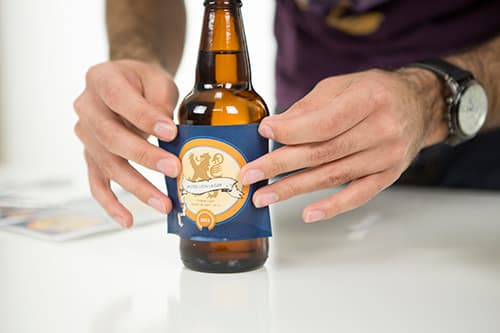
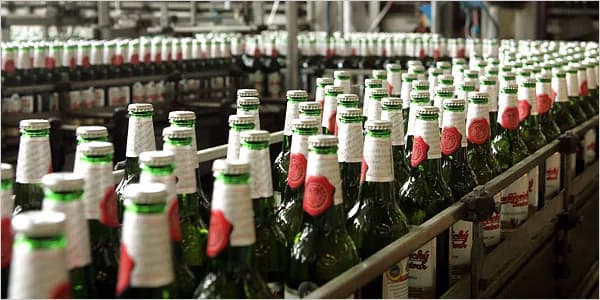
Beer packaging has a direct effect on brand perception. A bottle may contain an excellent product, but the outer presentation still shapes the first judgement. When the label sits neatly, the bottle looks premium. When the label wrinkles, lifts, or shifts, the bottle loses appeal. This is why labeling adhesive for beer bottles matters so much in modern brewery packaging.
Thailand creates a demanding environment for beverage labels. Bottles often face humidity, cold storage, condensation, and frequent handling. These conditions can weaken poor adhesive systems and damage the final look of the bottle. For breweries, bottlers, and beverage brands, labeling adhesive for beer bottles is not a minor technical decision. It is a practical business decision that affects production quality, shelf impact, and customer trust.
Why beer labels matter in the beverage industry
Beer labels do more than identify the product. They communicate the brand image, carry mandatory information, and create visual value on the shelf. A clean label suggests quality. A poor label finish suggests carelessness. In Thailand, label quality matters even more because alcoholic beverage labels must remain clear and readable. If the label curls or loses grip after refrigeration, the bottle can look weak in retail settings.
Why Thailand needs a specialised packaging approach
Thailand's market conditions make packaging more demanding. Warm weather, high humidity, and chilled beverage service can stress a bottle label quickly. A label that looks fine in a dry warehouse may start lifting in a refrigerator or after contact with moisture.
สำหรับตลาดไทย กาวติดฉลากต้องเหมาะกับความชื้น ความเย็น และการใช้งานจริง — For the Thai market, labeling adhesive must suit humidity, cold, and real-world use.
What makes a good labeling adhesive for beer bottles
The right labeling adhesive for beer bottles should offer:
- ✓Strong initial grip
- ✓Smooth machine performance
- ✓Neat label placement
- ✓Resistance to humidity
- ✓Support in chilled conditions
- ✓Consistent appearance in retail display
Common problems caused by weak adhesive performance
Labels peeling after refrigeration
Cause: Adhesive not suited to condensation and cold storage.
Solution: Switch to a moisture-resistant grade designed for chilled environments.
Edges lifting after moisture exposure
Cause: Insufficient wet tack in the formulation.
Solution: Select labeling adhesive for beer bottles with enhanced wet-grip properties.
Wrinkling during bottling
Cause: Viscosity mismatch with line speed or label stock.
Solution: Calibrate adhesive grade to match production conditions.
Poor positioning on high-speed lines
Cause: Slow initial tack causing label slip before set.
Solution: Use a fast-grab formulation suited to your line speed.
Why cold and wet conditions matter so much
Beer is often stored cold and served cold. A chilled bottle quickly forms condensation, and that moisture places stress on the bond. Thailand's climate makes this even more important. Bottles may move from warm transport environments to cold retail storage in a short time. A reliable labeling adhesive for beer bottles should keep the label stable even in cold cabinets, coolers, and ice-service environments.
Glass bottles and PET bottles need careful adhesive selection
Bottle material matters. Glass and PET do not behave in exactly the same way. Glass bottles are common in beer packaging because they offer a classic and premium look. PET bottles may also be used in some beverage formats. The ideal labeling adhesive for beer bottles must match the surface, label stock, and operating conditions.
One-way bottles and returnable bottles are not the same
A one-way bottle and a returnable bottle do not need identical adhesive performance. A one-way pack often focuses on shelf appearance, transport stability, and clean consumer presentation. A returnable pack may also need controlled wash-off performance later in the bottle cycle. A well-matched labeling adhesive for beer bottles should reflect the full packaging journey, not just the first stage of application.
How to choose the right adhesive for beer bottles
| Factor | What to assess | Why it matters |
|---|---|---|
| Bottle material | Glass or PET | Surface type affects adhesive behaviour |
| Storage conditions | Ambient, chilled, or wet | Moisture changes label performance |
| Label stock | Paper or coated paper | The adhesive must match the label |
| Line speed | Low or high speed | Fast lines need stable transfer |
| Bottle system | One-way or returnable | Reuse changes adhesive needs |
| Retail environment | Shelf, fridge, or ice service | End use affects bond stability |
| Market focus | Thailand | Local climate creates extra stress |
Best practices before buying in bulk
- ✓What bottle material is being used?
- ✓What label stock will be applied?
- ✓Will the bottle face cold storage or ice contact?
- ✓Is the line running at high speed?
- ✓Is the bottle one-way or returnable?
- ✓Can the product be tested first?
- ✓Does it suit Thailand's humid conditions?
Frequently Asked Questions
1. What is the best labeling adhesive for beer bottles in Thailand?
The best option depends on bottle type, label stock, storage conditions, and machine setup. In Thailand, humidity and chilled use make wet-condition performance very important.
2. Why do beer bottle labels peel after refrigeration?
This usually happens because the adhesive is not suited to condensation and cold storage. A better labeling adhesive for beer bottles can improve grip in those conditions.
3. Can the same adhesive work for glass and PET bottles?
Sometimes, but not always. Surface type matters. A supplier should confirm whether the chosen adhesive is suitable for both materials.
4. Why does machine compatibility matter?
Even a good product can fail on the wrong setup. Labeling adhesive for beer bottles should be tested with actual line speed, label stock, and bottle handling conditions.
5. Is Adchem Industries relevant for this category?
Yes. Adchem Industries is associated with brewery and bottle labelling adhesive solutions, which makes it relevant for brands sourcing labeling adhesive for beer bottles.
Final Words
Beer packaging works best when every element supports the final presentation. The bottle shape, cap, colour palette, print quality, and shelf position all matter, but none of them can perform fully if the label fails. This is why labeling adhesive for beer bottles deserves more attention from breweries, bottlers, and packaging buyers.
In Thailand, this decision becomes even more important because humidity, refrigeration, and moisture exposure can quickly test the limits of poor materials. A label that curls, slips, or bubbles can weaken the whole product image.
A strong labeling adhesive for beer bottles can reduce waste, support cleaner production, and protect the brand where it matters most. In a competitive beverage market, that advantage is worth taking seriously.
Need Expert Guidance on Beer Bottle Labeling Adhesives?
Our team specializes in high-performance labeling adhesive solutions for breweries and beverage brands across Thailand and Southeast Asia.